Edinburgh
Two thousand years of history. One perfect weekend.
Quick Facts
Best Time
May – Sept
Duration
3-4 days
Getting There
Edinburgh Airport (EDI)
Know For
Edinburgh Castle, the Royal Mile, Scotch whisky
Edinburgh looks like it was built to be dramatic.
The castle on its volcanic rock. The medieval Old Town tumbling downhill in a tangle of stone closes and cobblestoned lanes. The Georgian New Town sweeping away to the north with the kind of architectural confidence you rarely see. And looming over it all, the ancient peak of Arthur’s Seat — a hill that most cities would have developed centuries ago, but Edinburgh simply left alone.
Scotland’s capital rewards those who wander without a map as much as those who arrive with a plan.
The Old Town, a UNESCO World Heritage Site, stretches from Edinburgh Castle down to the Palace of Holyroodhouse — the official Scottish residence of the King. Along the way: centuries-old pubs, independent bookshops, and museums that tell the story of a nation shaped by enlightenment, invention, and fierce independence. Steps away, the elegant 18th-century New Town offers Georgian crescents, designer boutiques, and some of Scotland’s best restaurants.
Edinburgh’s cultural energy is relentless.
Every August, the city becomes the world’s largest arts festival — the Edinburgh Festival Fringe fills every venue from grand theaters to broom cupboards with performances from around the globe. But Edinburgh’s magic isn’t seasonal. Winter brings atmospheric Christmas markets and Hogmanay, one of the world’s great New Year’s Eve celebrations.
For travelers who value depth over speed, Edinburgh delivers fully. A morning learning whisky blending at the Scotch Whisky Experience. An afternoon climbing Arthur’s Seat for views across the Firth of Forth. An evening of modern Scottish cuisine in a candlelit restaurant tucked inside a centuries-old building. Edinburgh doesn’t rush you — and it’s better for it.
Top Highlights
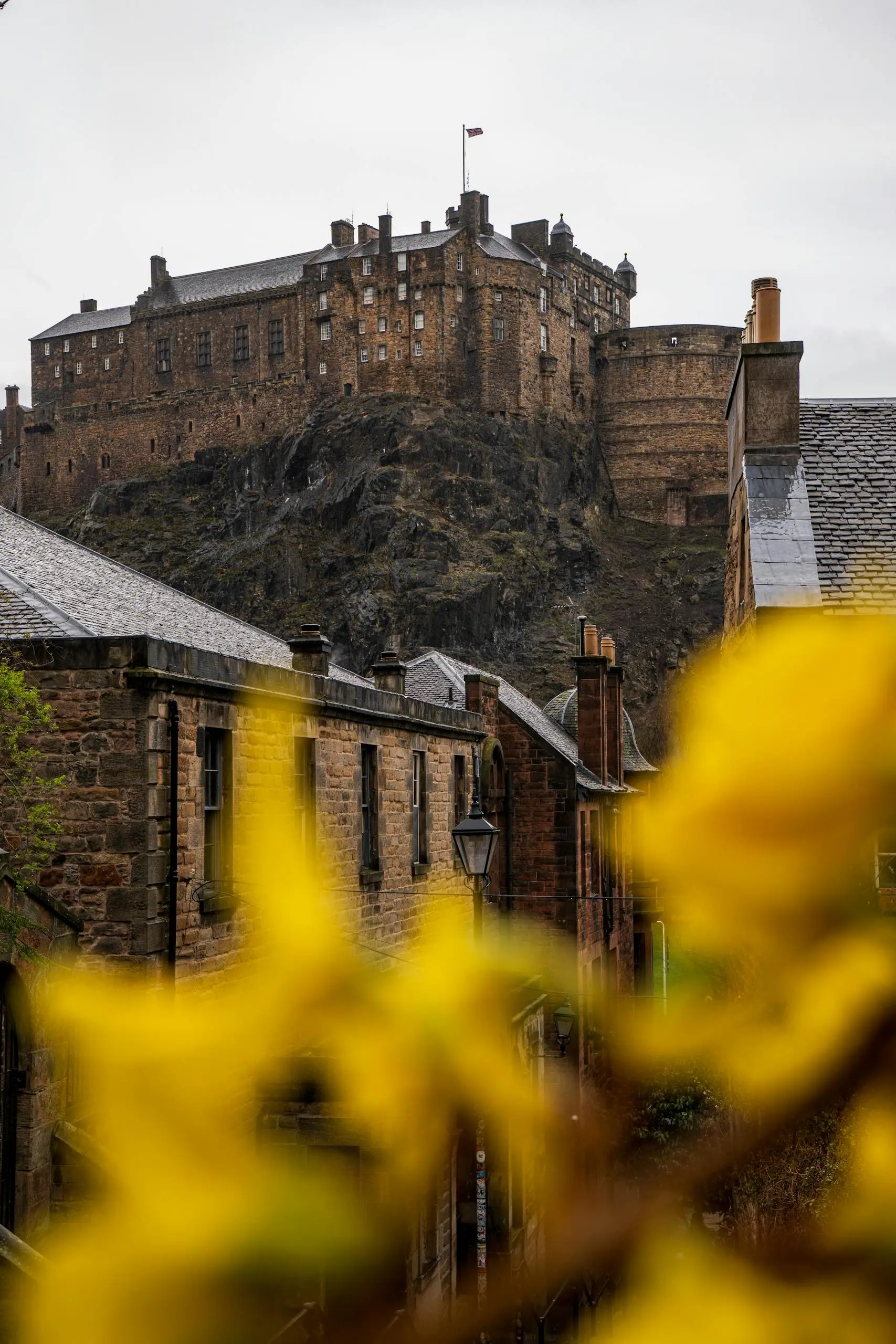
Edinburgh Castle
Perched on an extinct volcano at the top of the Royal Mile, this fortress has dominated the city’s skyline for over 900 years. Inside: the Scottish Crown Jewels, the Stone of Destiny, and sweeping views across the city to the Pentland Hills.
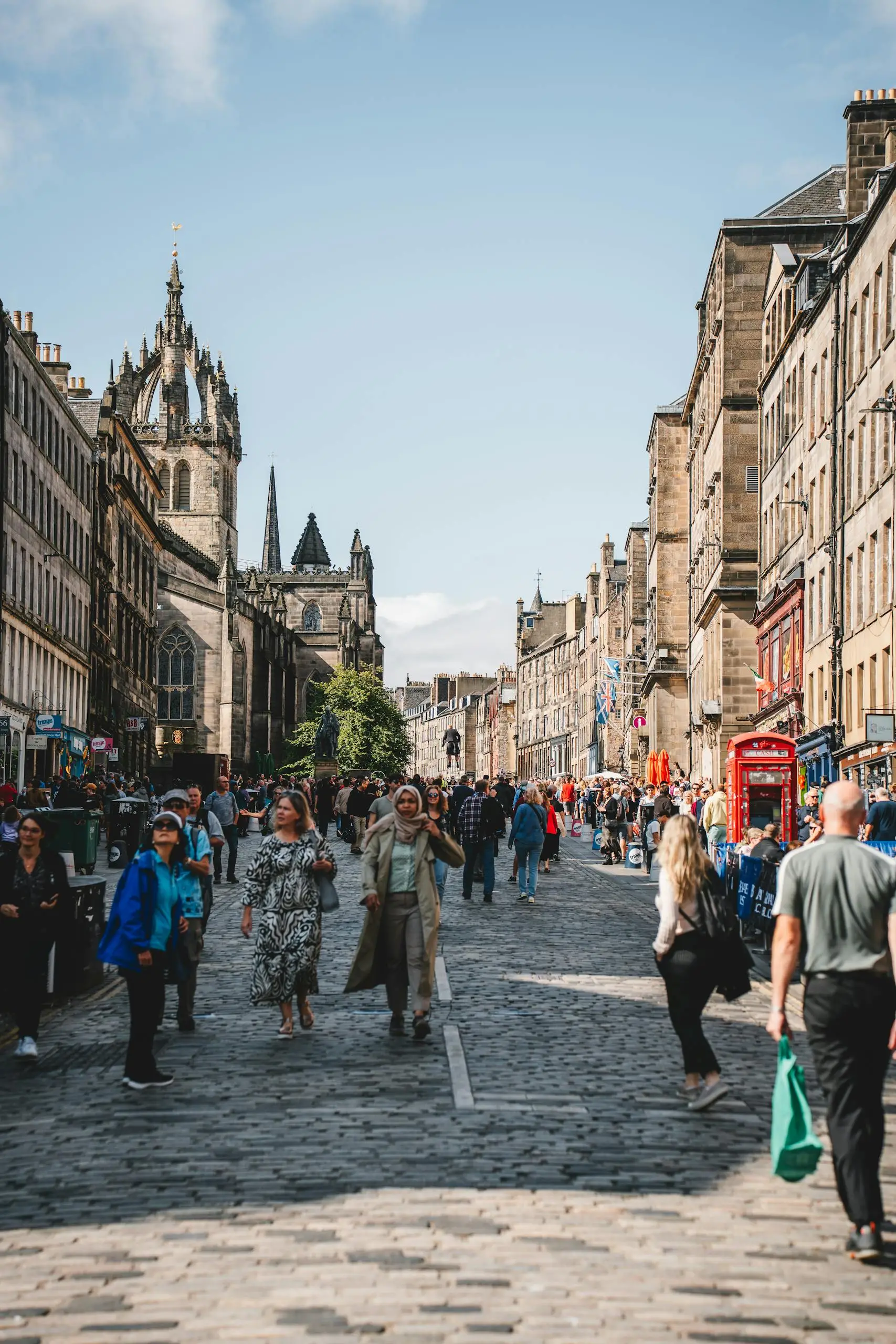
The Royal Mile
From the Castle to the Palace of Holyroodhouse — one of the most atmospheric thoroughfares in Europe. Narrow closes branch off along its cobblestoned length, leading to hidden courtyards, centuries-old taverns, and unexpected gardens.
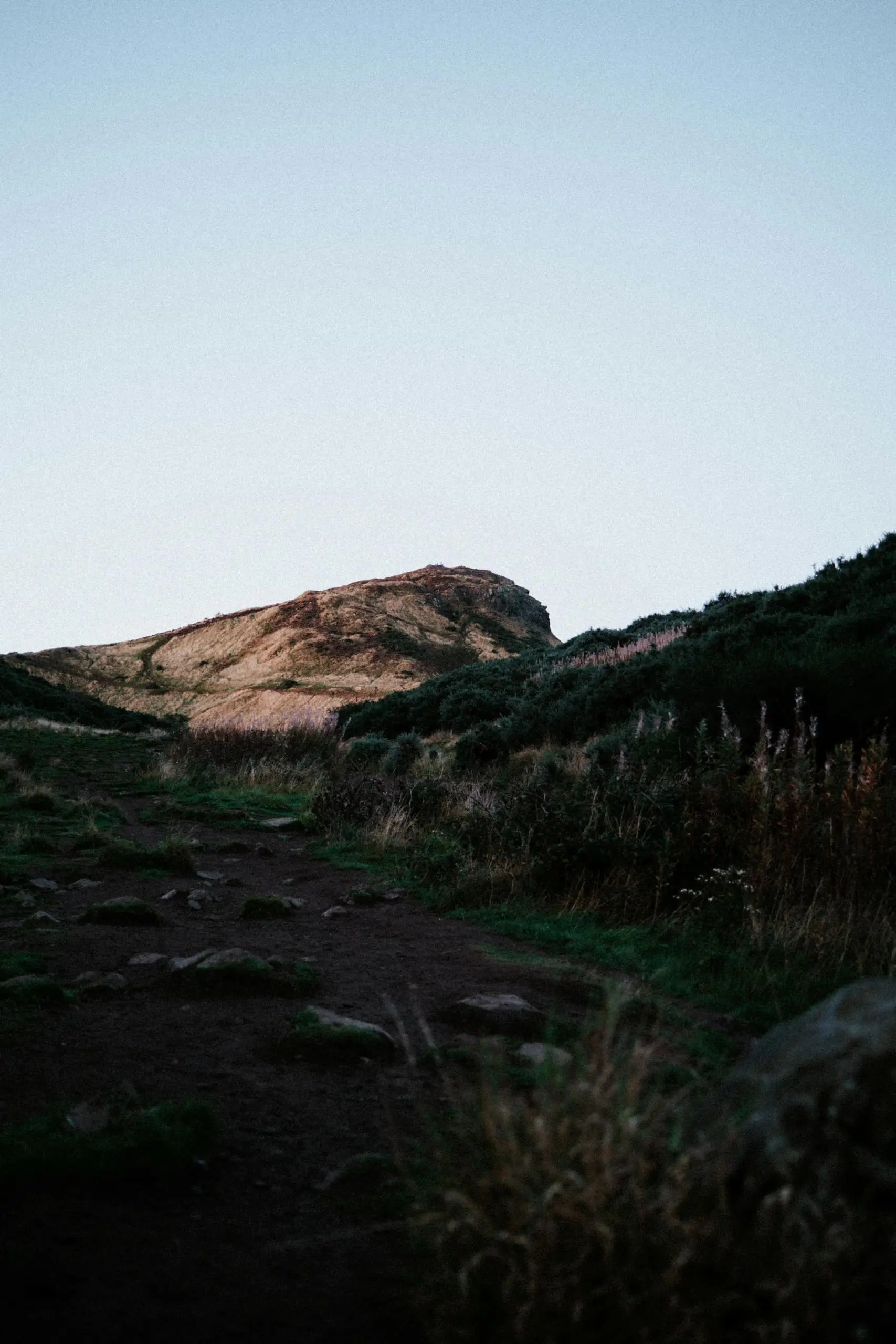
Arthur’s Seat
An ancient volcanic peak rising 823 feet in the heart of the city. A moderately challenging hike with extraordinary rewards — 360-degree views of Edinburgh, the coastline, and the Scottish countryside beyond.

The Palace of Holyroodhouse
The official Scottish residence of the King. Holyroodhouse has witnessed some of Scotland’s most dramatic moments — including the chambers where Mary, Queen of Scots lived, and where her secretary was murdered before her eyes.
The Scotch Whisky Experience
Located just below the Castle, this attraction guides you through the regions and flavors of Scotland’s most famous export. The masterclass tastings are a particular highlight for any whisky enthusiast.
Calton Hill
A gentler climb than Arthur’s Seat, with some of the city’s most iconic views — including the unfinished National Monument, sometimes called “Edinburgh’s Disgrace,” modeled after the Parthenon.
Sample Itinerary
Roman Bath & Georgian Splendor
- Arrive early at the Roman Baths before the crowds build.
- Walk from there to the Royal Crescent and visit No. 1 Royal Crescent.
- Stroll through the Circus and down toward the Assembly Rooms.
- Afternoon tea in one of Bath’s elegant tearooms.
- Evening walk along the illuminated Pulteney Bridge, followed by dinner in the city center.
Culture, Shopping & Spa
- Morning at Bath Abbey. Climb the tower for the views.
- Browse Walcot Street, Bath’s independent artisan quarter, and Milsom Street.
- Lunch near the river.
- Afternoon at Thermae Bath Spa. The rooftop pool earns its reputation most in the late afternoon light.
- Dinner at one of Bath’s acclaimed restaurants.
Day Trip or Hidden Bath
Three options worth considering:
Where to Stay
Luxury
Lorem ipsum dolor sit amet, consectetur adipiscing elit. Aenean diam dolor, accumsan sed rutrum vel, dapibus et leo.
Mid-Range
Lorem ipsum dolor sit amet, consectetur adipiscing elit. Aenean diam dolor, accumsan sed rutrum vel, dapibus et leo.
Charming
Lorem ipsum dolor sit amet, consectetur adipiscing elit. Aenean diam dolor, accumsan sed rutrum vel, dapibus et leo.
Insider Tips
FAQ
Add a compelling title for your section to engage your audience.
Use this paragraph section to get your website visitors to know you. Consider writing about you or your organization, the products or services you offer, or why you exist. Keep a consistent communication style.