

Genealogy & Heritage
A name on a headstone. A lane your ancestors walked. History that belongs to you.
Quick Facts
Best Time
Year-round
Duration
7–14 days
Best Regions
Ireland, Scotland, and England (varies by family origin)
Ideal For
Anyone with British or Irish ancestry, family groups, and milestone trips
You’re standing in a churchyard in County Cork. The headstone is right there: your great-great-grandmother’s name, carved in 1863. You knew it was here. You researched it for months. And still, standing in front of it, you didn’t expect to feel this.
That moment, the thing that happens when history becomes personal, is what a genealogy and heritage trip is really about. Millions of Americans trace their roots to the British Isles. For many, visiting the ancestral homeland is a once-in-a-lifetime experience that no document or DNA test can replicate. Walking the village streets your ancestors walked. Touching the walls of the cottage they left behind. Sitting in the pew where they were married.
A heritage trip through the UK and Ireland is part detective work, part pilgrimage, and part travel experience. I’m not a professional genealogist: that work belongs to the local researchers, heritage centers, and archivists built into your itinerary. My role is building the travel experience around the family story you uncover with them.
And then something happens that no database can replicate.
In smaller communities, a local historian who knows the names. A neighbor whose family has been in the parish for two hundred years. A conversation in a pub that fills in a gap no record ever could. These encounters are frequently the most powerful part of the trip, and they’re not something you stumble into on your own.
I don’t just hand you an address and send you off. I build complete itineraries that weave your family research into a broader travel experience. You’ll visit your ancestral village and explore the extraordinary countryside surrounding it. You’ll spend time in the archives and enjoy the castles, coastline, and culture along the way.
What You’ll Experience
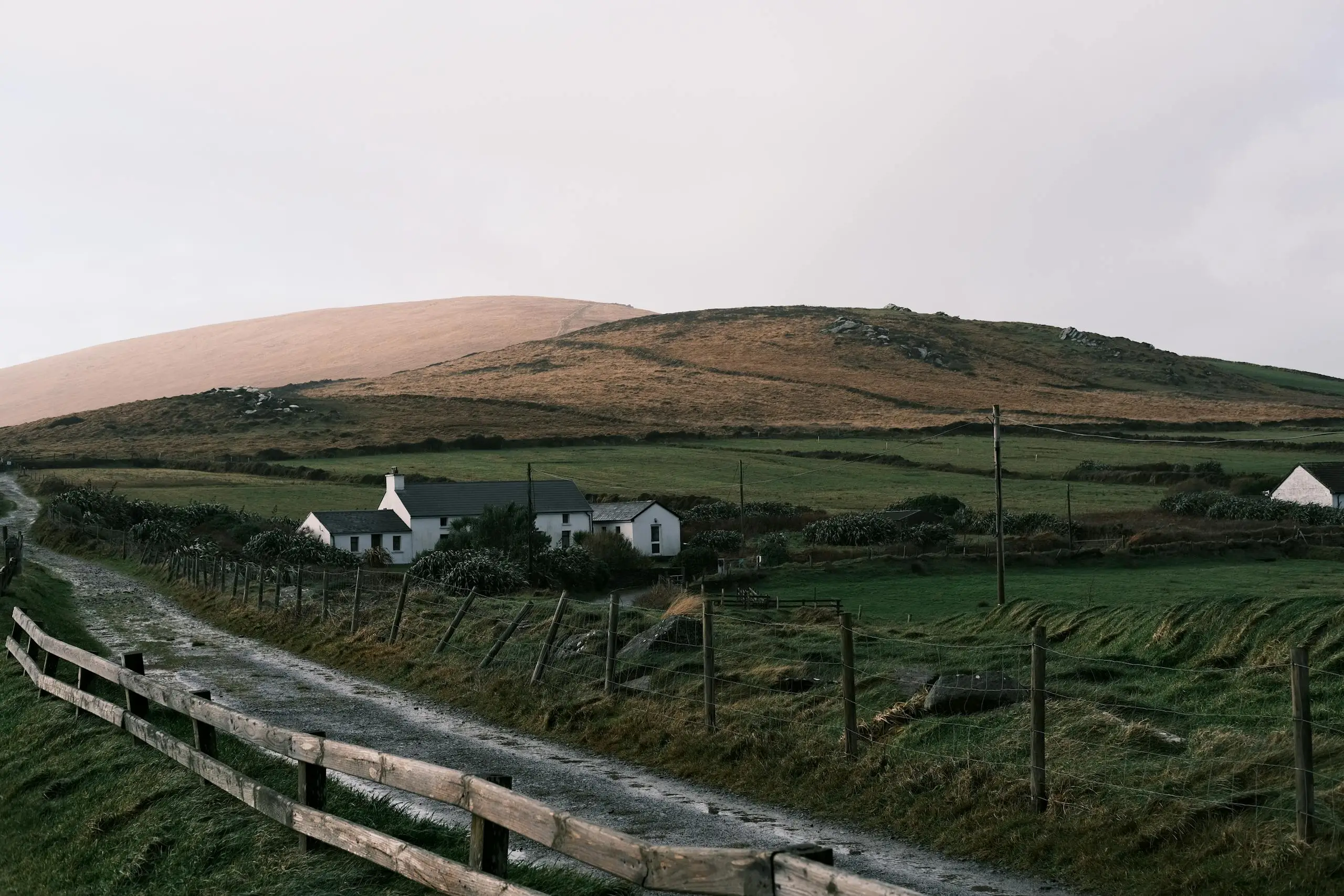
Ancestral Village Visits
I identify the specific towns, parishes, and townlands connected to your family and build the itinerary around visiting them. Walk the streets, visit the church, see the land your ancestors farmed, and understand what they left behind.
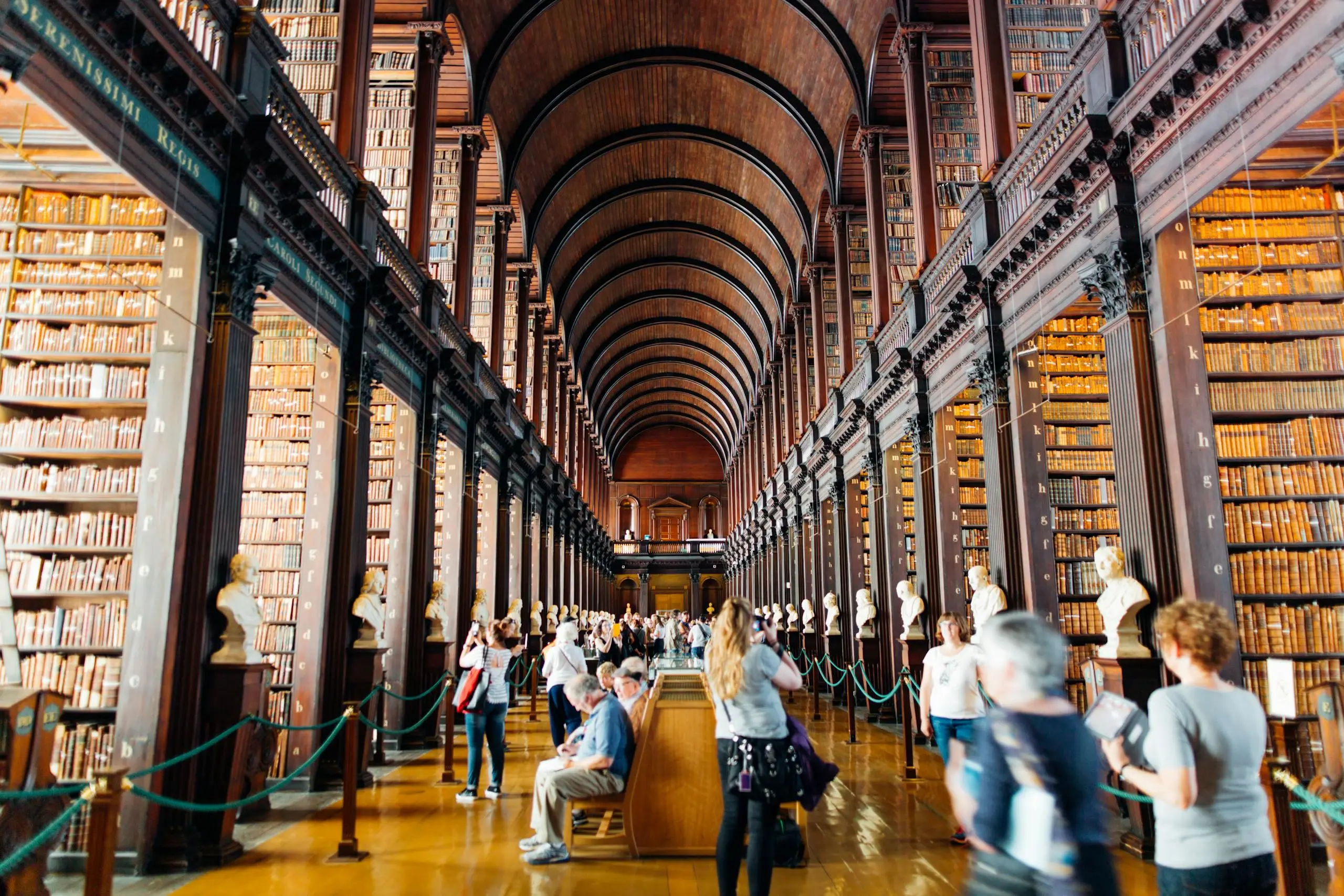
Archive & Records Research
Access parish records, census returns, emigration records, and local histories at national and county archives. In Ireland, the National Archives and local heritage centers hold records dating back centuries.
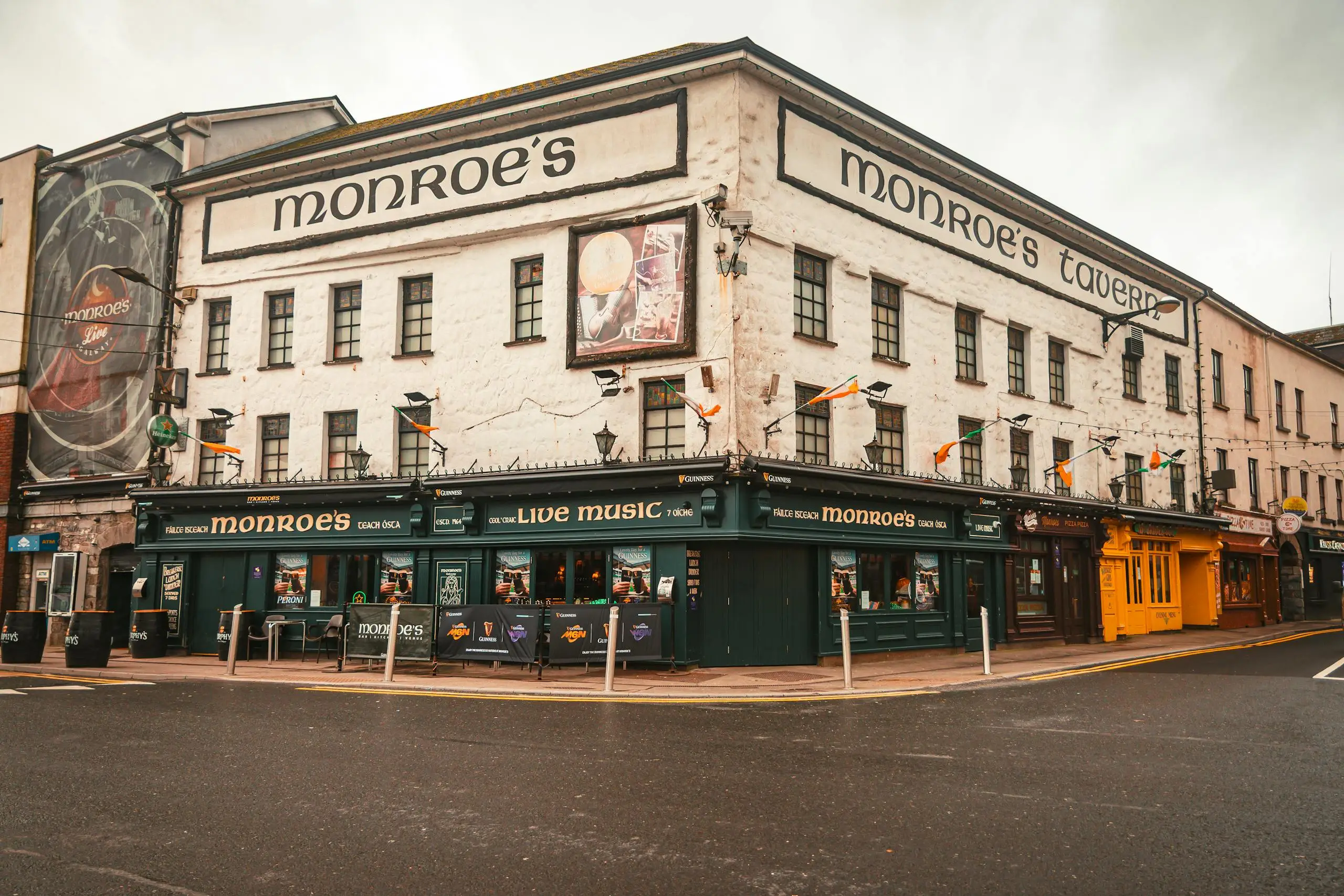
Local Connections
In smaller communities, I can often connect you with local historians, genealogy societies, or descendants of families who knew yours. These encounters are frequently the most memorable part of the journey.
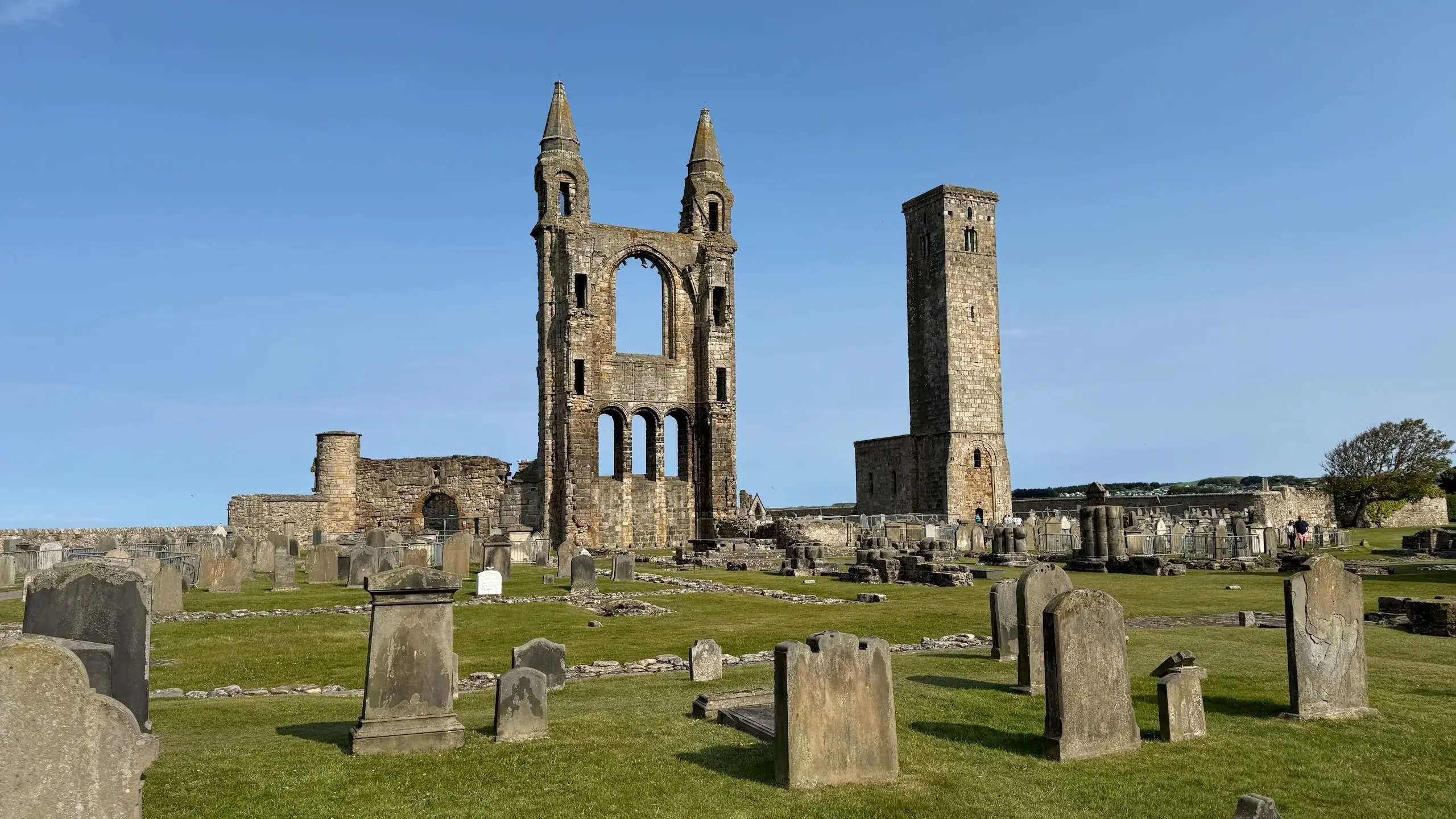
Cemetery & Church Visits
The graveyards and churches where your ancestors were baptized, married, and buried. Local guides help you locate specific headstones and interpret old burial records.
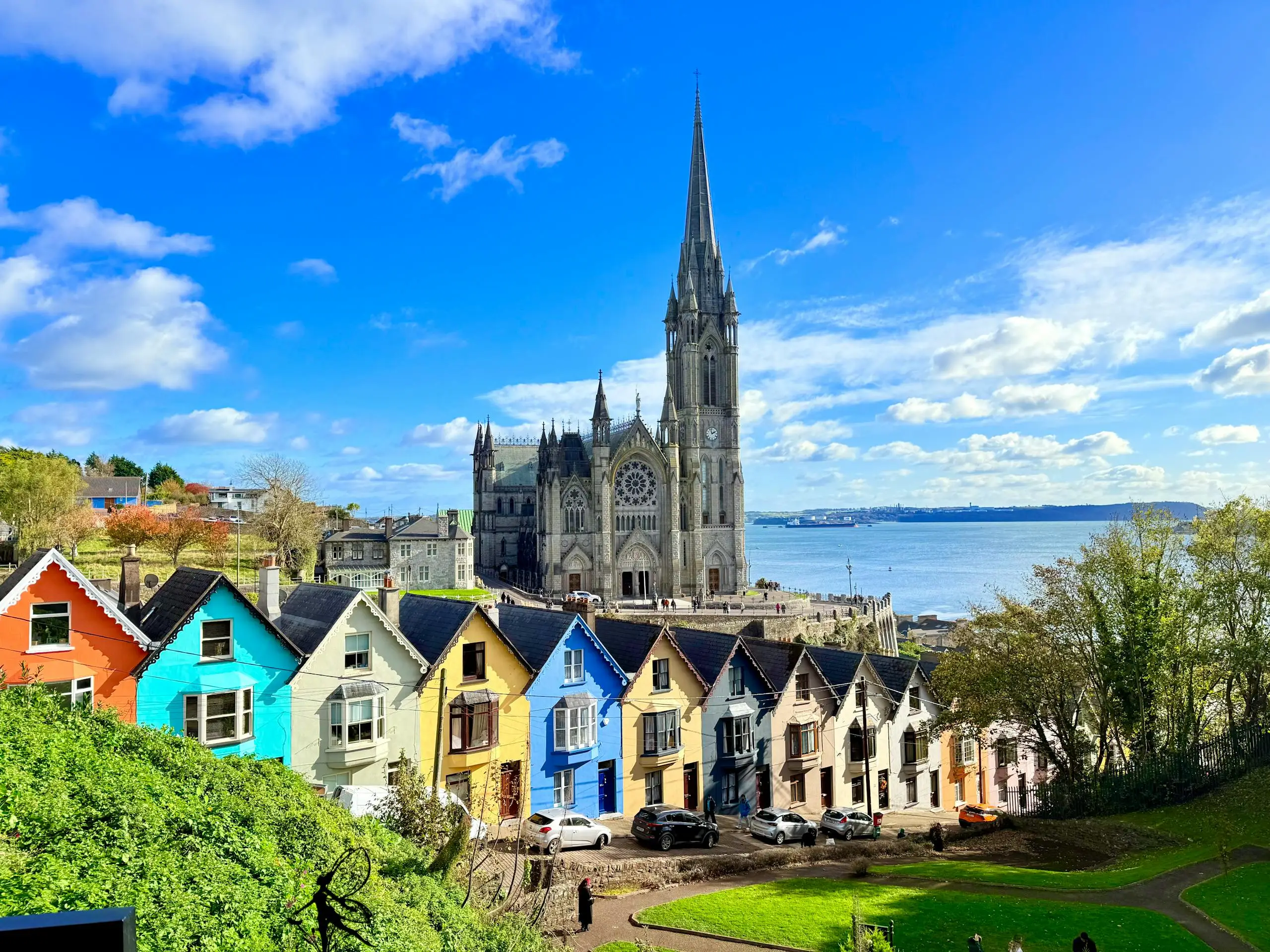
Cultural Context
Understanding the historical forces that shaped your ancestors’ lives (the Famine, the Highland Clearances, industrialization, religious persecution) brings the trip into focus. The museums and sites that tell these stories are deeply moving for anyone with personal connections to them.

DNA & Heritage Centers
Ireland’s network of heritage centers can cross-reference your genealogical research with local databases. Some travelers discover living relatives during their visit.
Sample Itinerary
10-Day Irish Heritage Trip
Arrive Dublin
- Settle in, evening walk along the River Liffey
National Archives of Ireland
- National Library genealogy research, EPIC The Irish Emigration Museum
Drive to county of family origin (Cork, Kerry, or Galway)
- Travel through ancestral landscapes
Local heritage center research
- Ancestral village visit, parish church and cemetery
Meeting with local historian or genealogy guide
- Explore the surrounding area
Cultural day
- Castles, scenic drives, and experiences in the ancestral region
Continue to a second ancestral area (if applicable) or explore the broader region
Additional archive research and village visits
- Local pub evening
Flex day
- Revisit significant sites, additional research, or sightseeing
Return to Dublin
- Farewell dinner, reflect on discoveries
What’s included when you book with me?
Custom itinerary
built around your specific family history and ancestral locations
Detailed background context
for each family site: the history behind the history
Connections to local heritage centers
genealogy guides, and archival resources
24/7 trip support
throughout your journey
Hand-selected accommodations
near your ancestral areas
Insider Tips
FAQ

Ready to trace your roots across the British Isles?
Tell me what you know about your family’s origins, and I’ll craft a heritage trip that brings your story to life.