
Northen Ireland
a place of jaw-dropping coastal scenery, complex and fascinating history
Quick Facts
Best Time
May – Sep
Duration
3-4 days
Getting There
Fly into Belfast from London
Known For
Giant’s Causeway, Titanic Belfast, Game of Thrones filming locations
Northern Ireland is Europe’s best-kept secret. Most travelers still haven’t discovered it.
For too long overshadowed by a troubled history that ended over a quarter century ago, Northern Ireland has emerged as one of the most surprising and rewarding destinations in the British Isles — a place of jaw-dropping coastal scenery, complex and fascinating history, and a creative energy that has transformed Belfast into one of Europe’s most exciting cities.
The star attraction is the Antrim Coast.
A stretch of road so beautiful it belongs on any list of the world’s great drives. It winds past dramatic sea cliffs, hidden beaches, a heart-stopping rope bridge, and ancient castle ruins before arriving at the Giant’s Causeway — a UNESCO World Heritage Site of 40,000 interlocking basalt columns that look like they were laid by hand. The geological explanation is volcanic. The Irish legend of the giant Finn McCool is more satisfying.
Belfast has a different kind of energy.
The Titanic Quarter — built around the very shipyard where the ship was constructed — now houses the world’s best Titanic museum. The Cathedral Quarter buzzes with street art, craft cocktail bars, and live music. St George’s Market is a weekend food paradise. And the political murals of the Falls and Shankill Roads are among the most powerful public art you’ll encounter anywhere in Europe — best experienced with a local guide who lived through it.
Beyond the coast and the capital: the wild Mourne Mountains, the lakeland of Fermanagh, and the walled city of Derry/Londonderry with its intact 400-year-old fortifications. And for those who came partly for Game of Thrones — Northern Ireland was the show’s primary filming location. The Dark Hedges, Castle Ward, and Ballintoy Harbour are all here and all visitable.
Top Highlights
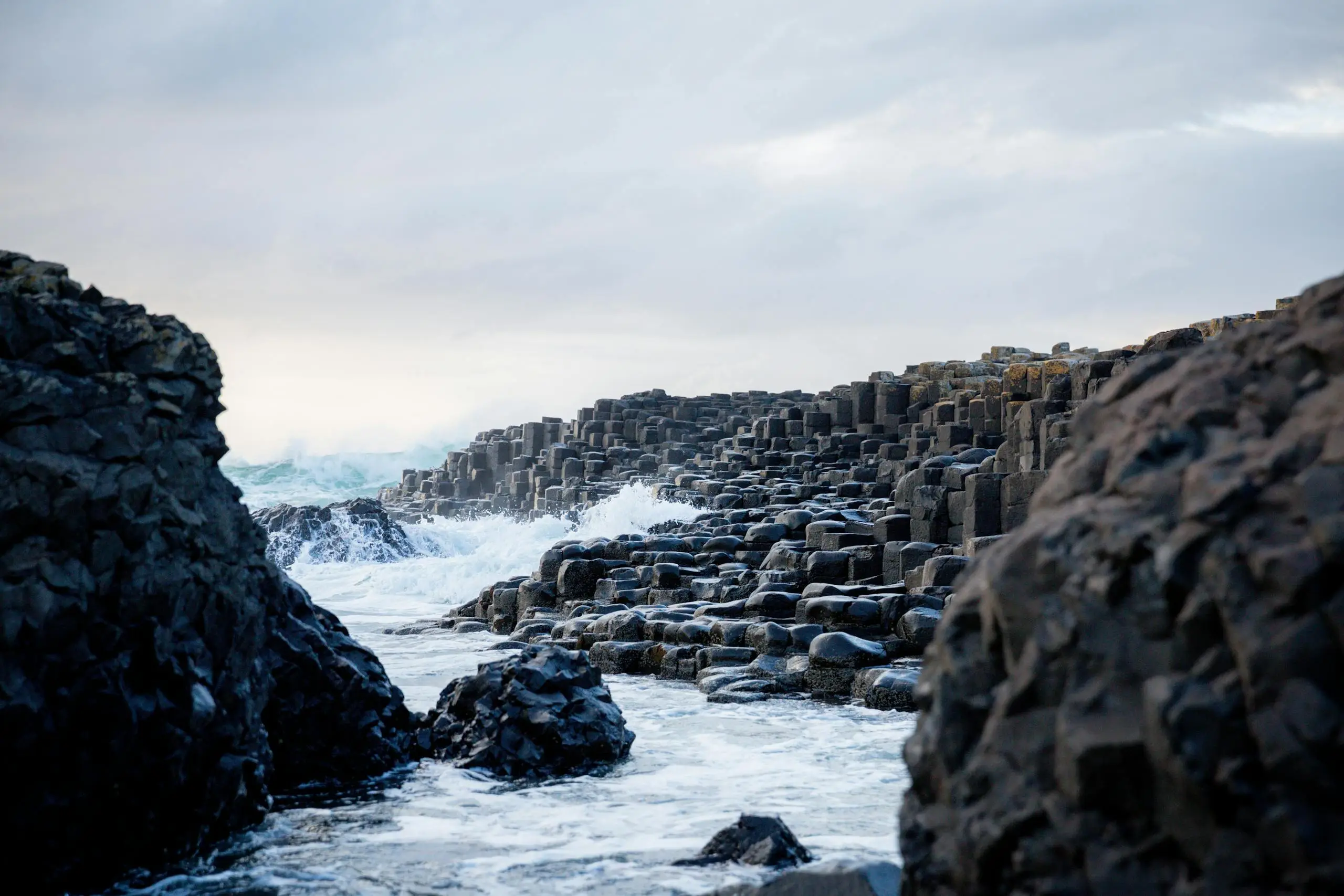
Giant’s Causeway
40,000 hexagonal basalt columns formed by ancient volcanic activity — a UNESCO World Heritage Site that genuinely earns the designation. Walk along the columns, follow the cliff-top path, and visit the National Trust visitor center. Arrive before 10am or after 4pm to avoid the tour buses.
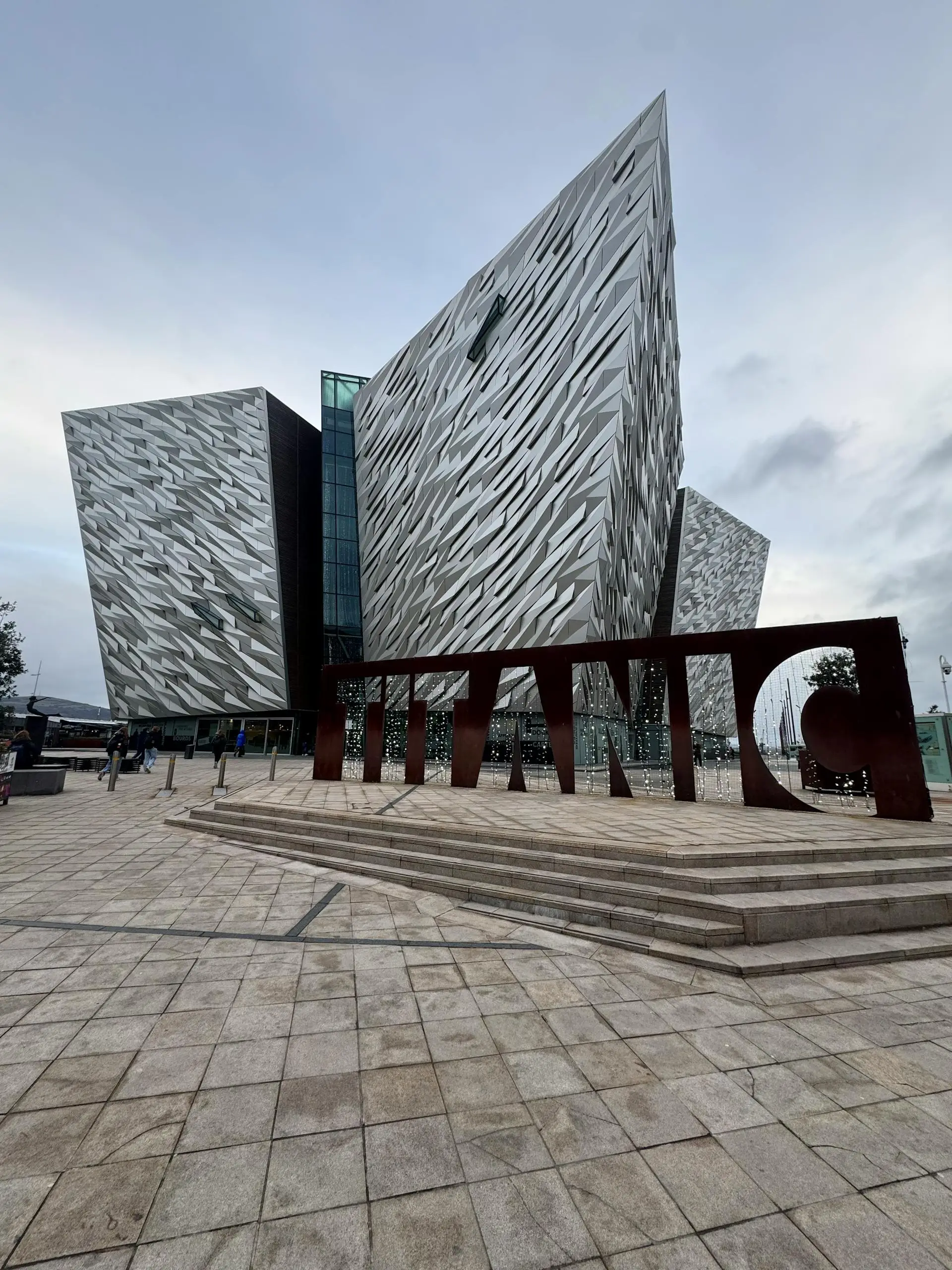
Titanic Belfast
The world’s largest Titanic exhibition, built on the actual slipway where the ship was launched. Nine interactive galleries trace the story from conception to the discovery of the wreck. Budget at least two to three hours — it’s more absorbing than most visitors expect.
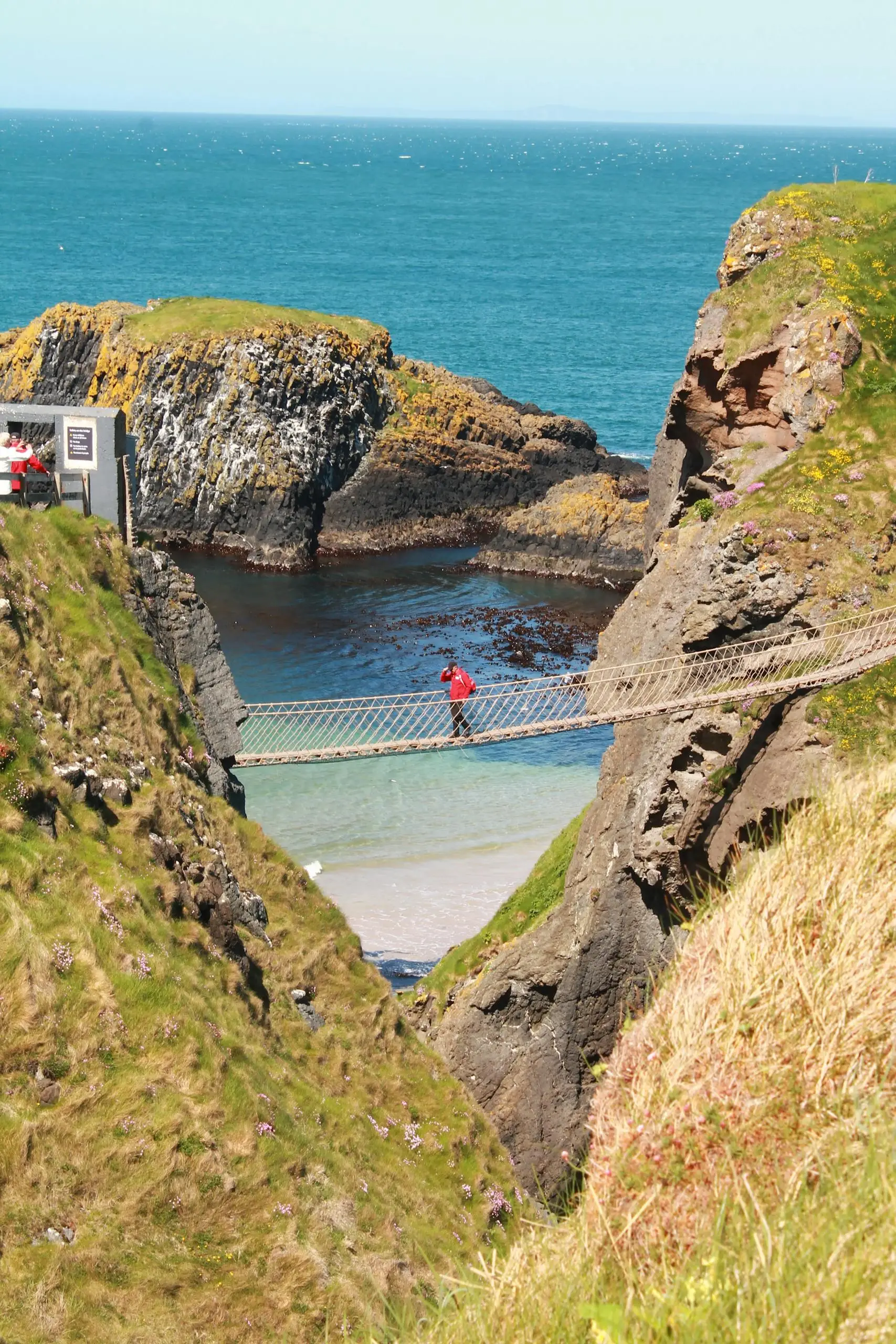
Carrick-a-Rede Rope Bridge
A 65-foot rope bridge connecting the mainland to a small island used by salmon fishermen for 350 years. The views from the island are spectacular — if you can bring yourself to look up during the crossing.
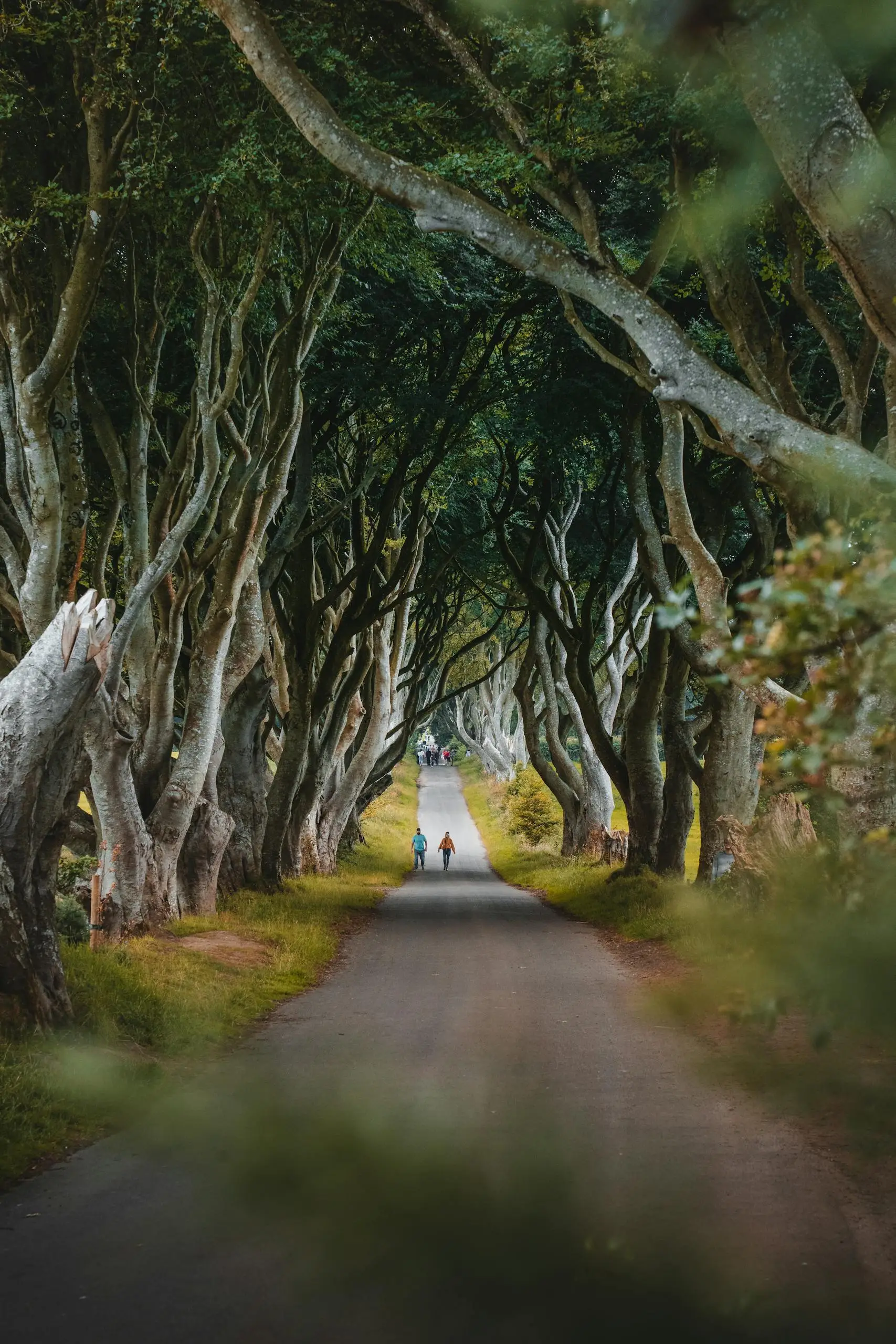
The Dark Hedges
An atmospheric avenue of ancient beech trees planted in the 18th century, made world-famous as the Kingsroad in Game of Thrones. Best photographed at dawn before the crowds arrive.
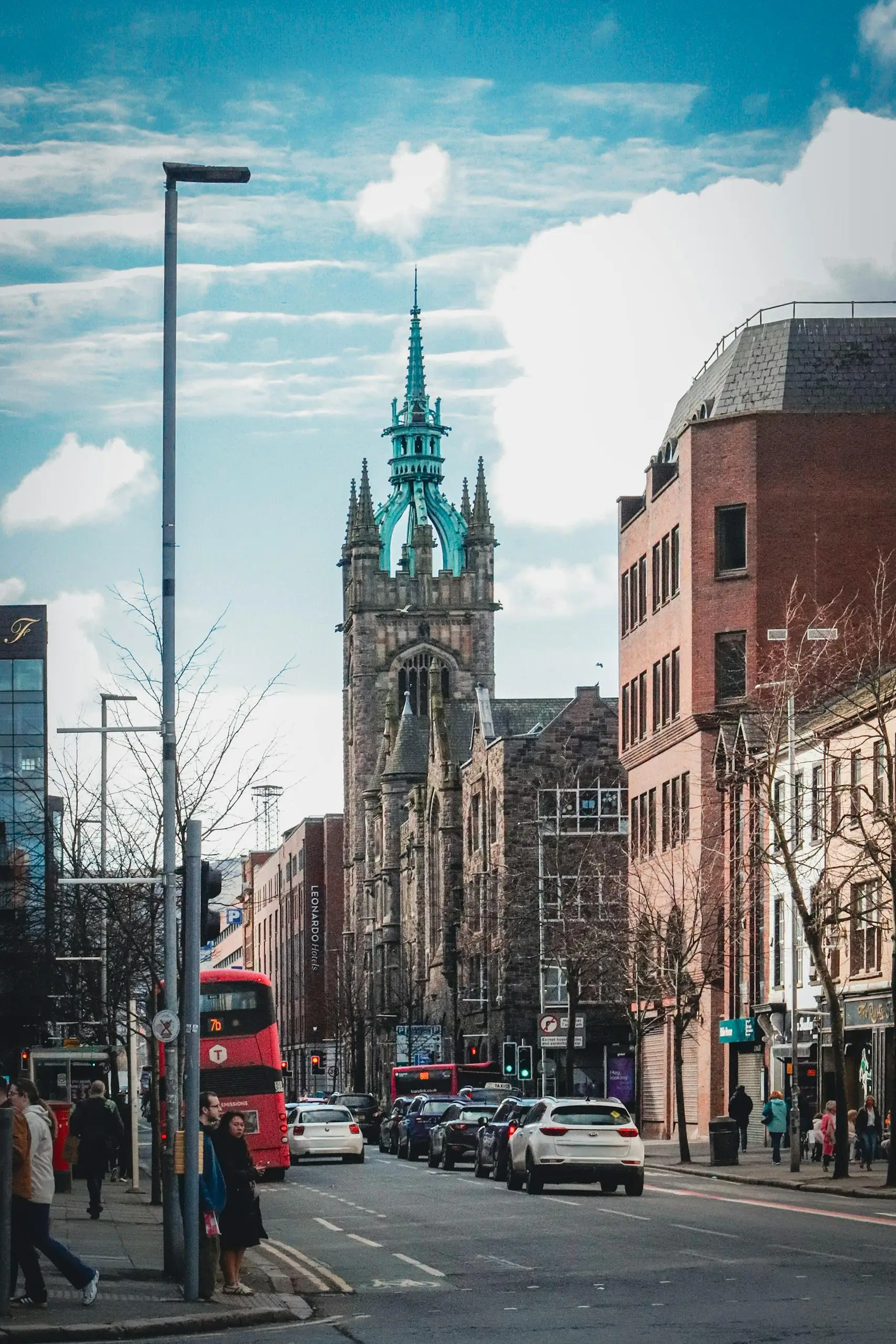
Belfast’s Cathedral Quarter
The cultural heart of modern Belfast — street art, independent restaurants, live music, and craft cocktail bars in atmospheric Victorian streets. The Duke of York pub is a particular favorite.
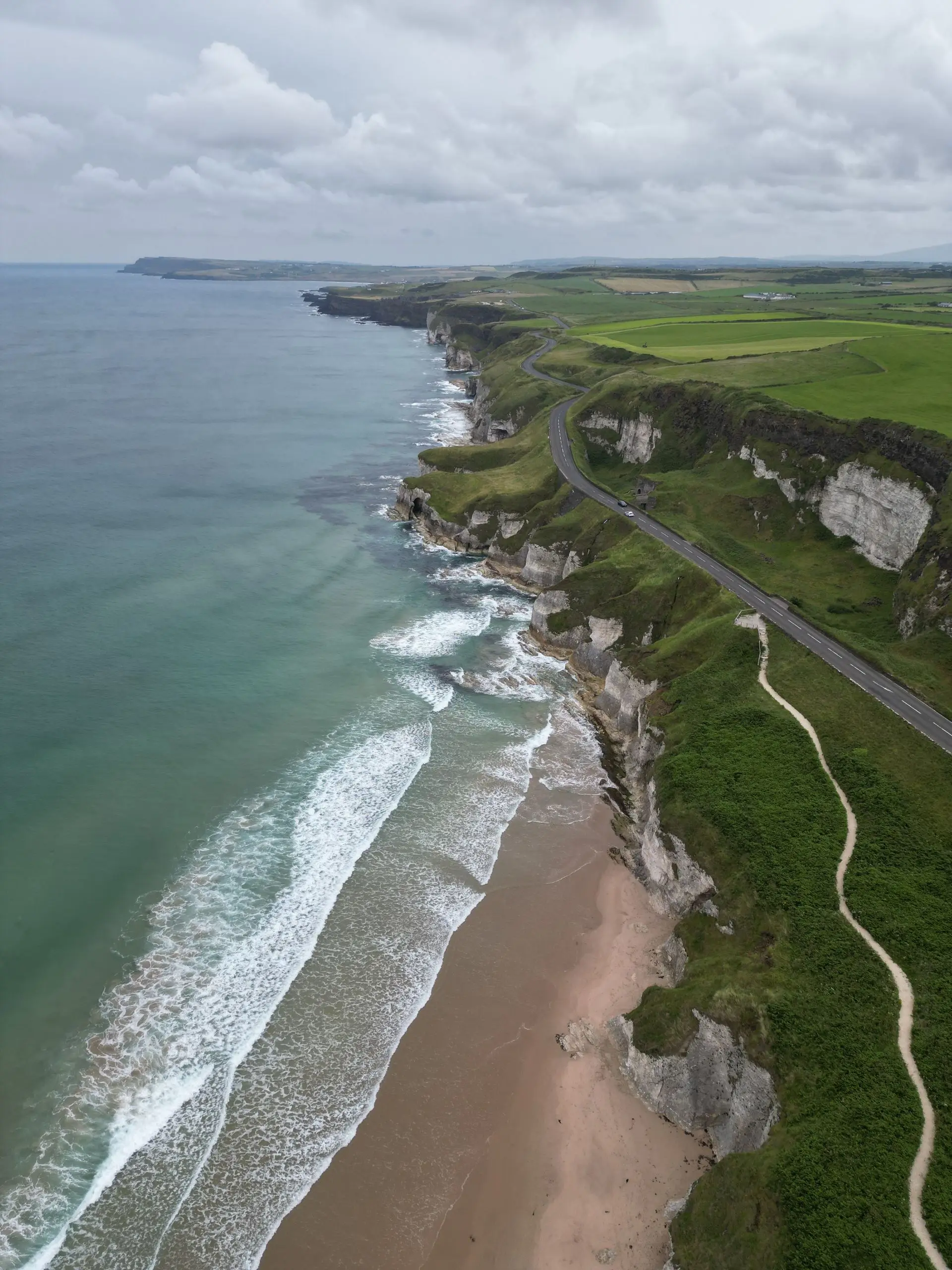
Antrim Coast Road
One of Europe’s great coastal drives, from Belfast to the Giant’s Causeway. The road hugs the shoreline past Glenariff (the “Queen of the Glens”), the Cornish-style cottages at Cushendun, and the spectacular ruins of Kinbane Castle.
Sample Itinerary
Belfast
- Morning at Titanic Belfast — allow two to three hours for the full experience.
- Afternoon in the Cathedral Quarter: walking tour, street art, and St George’s Market if it’s a Saturday.
- Evening dinner in the Cathedral Quarter, followed by live music in a Belfast pub.
Antrim Coast & Giant’s Causeway
- Drive the Antrim Coast Road north from Belfast. Stop at Carrick-a-Rede Rope Bridge mid-morning.
- Afternoon at the Giant’s Causeway — walk the columns, explore the cliff path.
- Late afternoon stop at the Dark Hedges. Overnight in a coastal town or return to Belfast.
More Belfast or Derry/Londonderry
Two options worth considering:
Where to Stay
Luxury
Grand Victorian hotels in the city center, or boutique properties in the Cathedral Quarter with rooftop bars and genuinely thoughtful design.
Mid-Range
Stylish boutique hotels near the waterfront or in the university area — excellent value compared to Dublin or London prices for comparable quality.
Charming
Antrim Coast
Charming coastal guesthouses and small hotels in Ballycastle, Bushmills, or Portrush — the ideal base for the Giant’s Causeway and the full coast road experience.
Insider Tips
FAQ
Ready to plan your Northern Ireland trip?
Tell me what draws you — the coast, the history, Belfast, the Game of Thrones locations — and I’ll build an itinerary around your interests and pace.